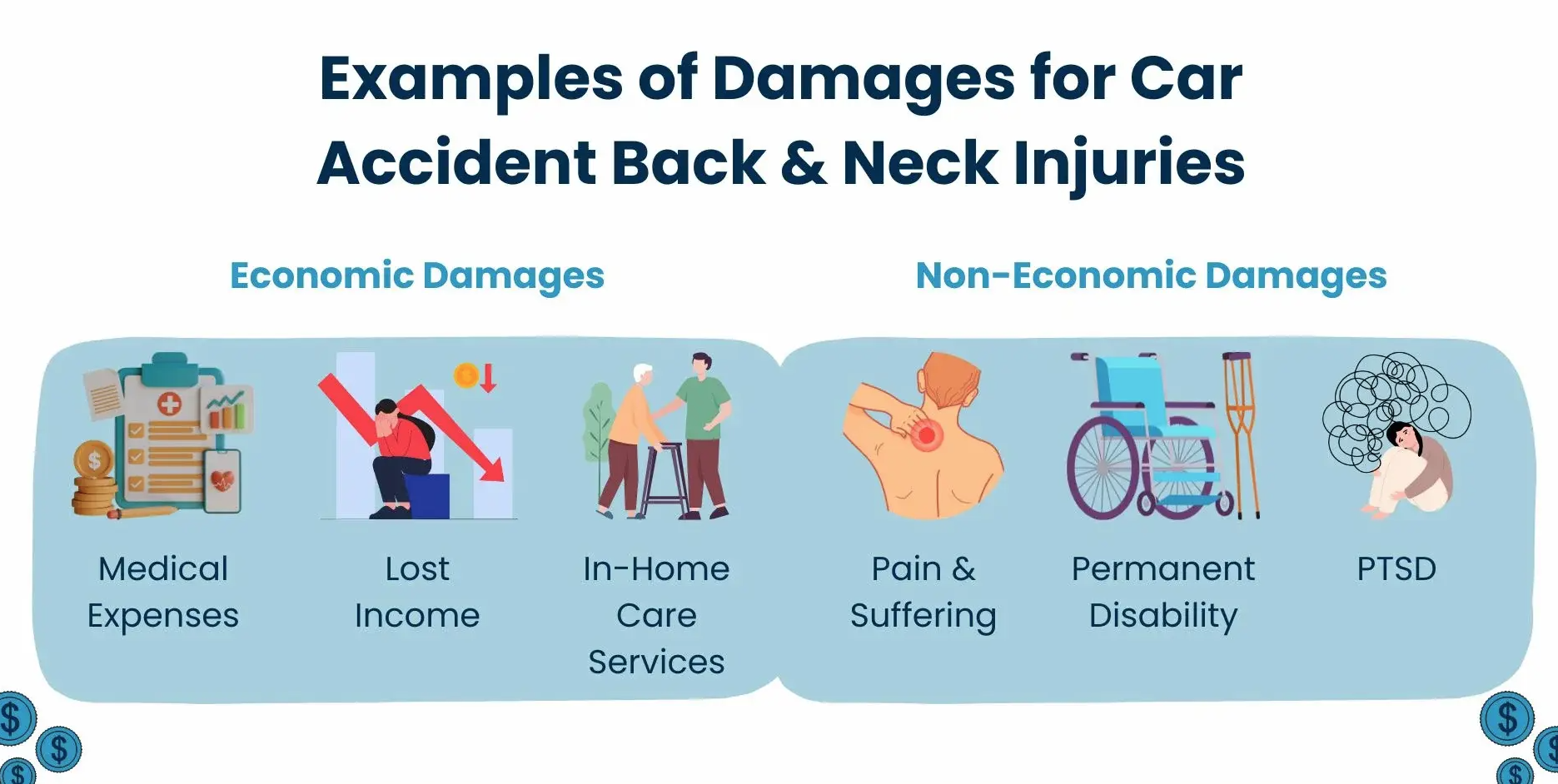
A traffic injury can disrupt your life in profound ways, from mounting medical bills to the inability to return to your career. When pursuing an Accident Settlement, your legal claim must account for the full spectrum of your losses. Legally, these are categorized into Economic and Non-Economic damages.
To maximize your recovery, it is essential to understand how these values are calculated and what evidence is required to prove them.
1. Economic Damages: Quantifiable Financial Losses
Economic damages cover all objective, measurable financial losses resulting from your injury. Because these have a specific dollar amount, they are often easier to prove using documentation.
-
Medical Expenses: You are entitled to recover costs for both past and future care. This includes hospital stays, emergency surgery, physical therapy, medication, and mental health counseling. While past costs are proven with current bills, future expenses often require a medical expert’s opinion to forecast the long-term cost of care.
-
Lost Income & Diminished Earning Capacity: This accounts for the wages you lost while recovering or attending medical appointments. If your injuries result in a permanent disability that forces you into a lower-paying role or early retirement, you can seek damages for the “diminished earning capacity”—the total difference in projected earnings over the remainder of your working life.
-
Out-of-Pocket Expenses: This includes secondary costs, such as modifying your home for wheelchair accessibility (ramps, grab bars) or hiring help for daily household tasks you can no longer perform.
2. Non-Economic Damages: Quality of Life Impacts
Non-economic damages compensate you for the subjective, human cost of an accident. These injuries do not come with a receipt, but they significantly alter your quality of life.
-
Pain and Suffering: Compensation for the physical pain caused by the injury and the forced abandonment of hobbies or activities you once enjoyed.
-
Mental Anguish: Many victims suffer from Post-Traumatic Stress Disorder (PTSD), anxiety, depression, or insomnia following a crash. These psychological impacts are legally compensable.
-
Inconvenience: This covers the daily struggle of relying on others for transportation or needing assistance with basic hygiene and daily routines.
How are Non-Economic Damages Calculated?
Since pain and suffering don’t have a “price tag,” legal experts and insurance adjusters use two primary models to quantify them:
-
The Multiplier Method: This is the most common approach. Your total economic damages are multiplied by a number (usually between 1.5 and 5.0) based on the severity of the injury. A permanent spinal cord injury might warrant a 5.0 multiplier, while a temporary fracture might warrant a 1.5.
-
The Per Diem Method: A specific daily rate (e.g., $150 per day) is assigned to your suffering. That rate is multiplied by the total number of days it takes for you to reach “Maximum Medical Improvement.”
Proving Your Losses for a Maximum Payout
To secure a high-value Accident Settlement, a Personal Injury Lawyer will gather evidence to validate your non-economic claims. This includes:
-
Medical Records: Consistent notes from your doctor regarding your pain levels and mental state.
-
Prescription History: Documentation of pain medication or antidepressants used post-accident.
-
Witness Testimony: Statements from friends and family describing your physical limitations and emotional decline.
The legal path to recovery is complex. If you have been injured, our team can help match you with a skilled attorney to ensure no damage is left unaccounted for. Complete our consultation form today for a free evaluation.