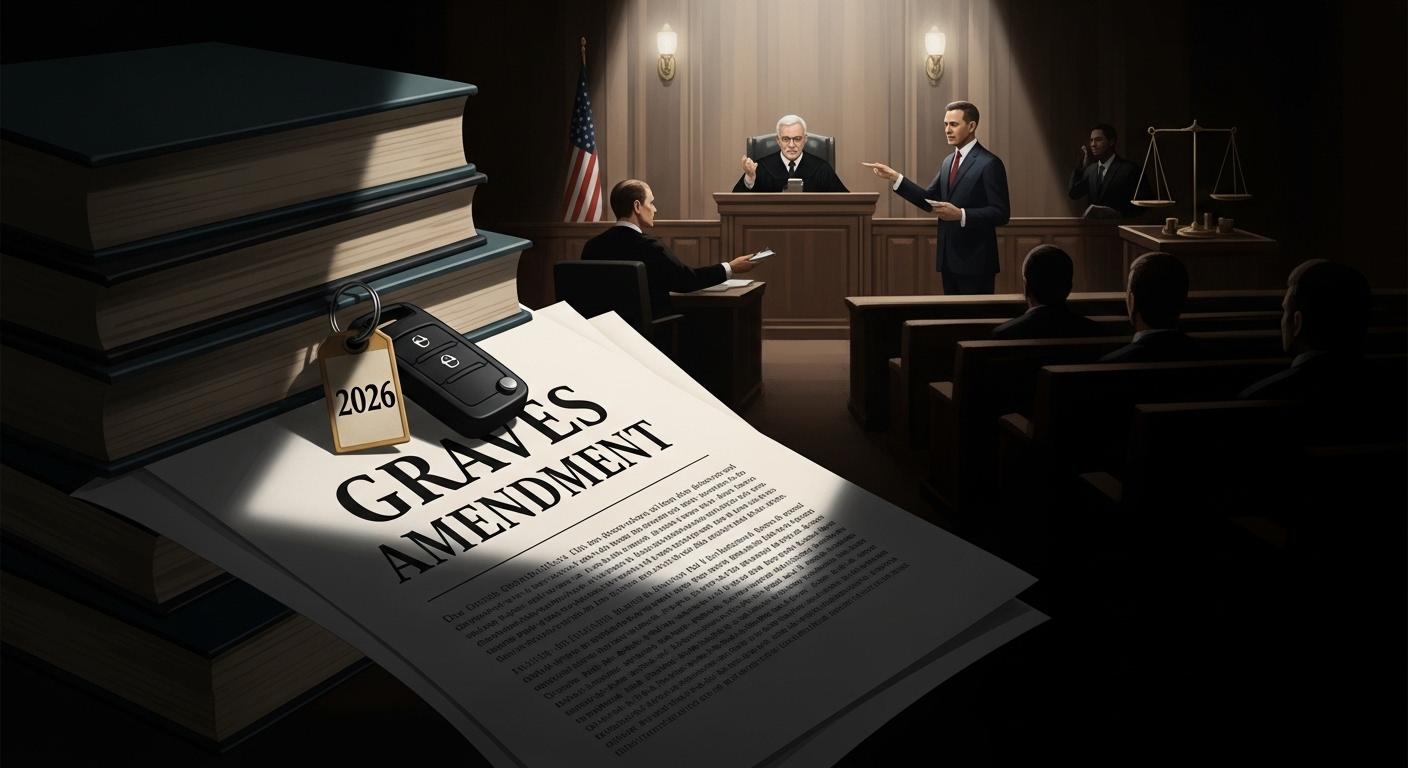
Discover the groundbreaking changes coming in 2026 with the Graves Amendment, which will impact the way we interact with rental car companies. Learn how this amendment could potentially alter the landscape of legal actions against these companies, sparking important discussions and considerations for all involved parties.
Understanding Contributory Negligence
Contributory negligence is a legal concept that can significantly impact personal injury claims. It refers to a situation where the injured party is found partially at fault for their own injuries due to their actions or negligence. Understanding the implications of contributory negligence is crucial for anyone involved in a personal injury case.
When contributory negligence is established, it can affect the amount of compensation that the injured party is entitled to receive. In some jurisdictions, if the injured party is found to be even slightly at fault for the accident, they may be barred from recovering any compensation. This makes it essential to navigate contributory negligence issues carefully and strategically.
How Contributory Negligence Impacts Compensation
When it comes to seeking compensation in legal cases, the concept of contributory negligence can have a significant impact on the outcome. Contributory negligence refers to the idea that if a person’s own actions contribute to their injury or damages, their compensation may be reduced or even denied altogether.
Understanding how contributory negligence is assessed and applied by the courts is crucial for individuals seeking fair compensation for their losses. In many cases, proving that the other party’s negligence was the primary cause of the injury can be challenging, especially when contributory negligence is a factor.
Legal Strategies to Overcome Contributory Negligence
When facing contributory negligence claims, it is crucial to employ legal strategies that can help overcome the challenges presented. One effective approach is to thoroughly investigate the circumstances surrounding the incident to determine the extent of each party’s responsibility. By gathering evidence such as witness testimonies, expert opinions, and relevant documentation, it is possible to build a strong case that highlights the other party’s greater share of fault.
Additionally, engaging in negotiations with the opposing party or their legal representatives can sometimes lead to a settlement that mitigates the impact of contributory negligence on the final compensation amount. Through skillful negotiation and persuasive argumentation, it may be possible to convince the other party to accept a more favorable distribution of fault, thereby increasing the injured party’s chances of receiving fair compensation.
Case Studies: Examples of Contributory Negligence Cases
Explore real-world scenarios where contributory negligence played a crucial role in legal outcomes. These case studies provide insight into how different factors can influence the determination of compensation in legal proceedings.
Case Study 1: Pedestrian Accident
Consider a case where a pedestrian was hit by a car while crossing the street outside of a designated crosswalk. Despite the driver being found partially at fault for speeding, the pedestrian’s actions were also deemed negligent due to jaywalking. This resulted in a reduced compensation amount, highlighting the complexity of contributory negligence in personal injury cases.
Case Study 2: Slip and Fall Incident
Review a scenario where a customer slipped and fell in a grocery store aisle that was recently mopped. While the store was held liable for not placing warning signs, the customer’s failure to watch their step was considered contributory negligence. This case underscores the importance of proving liability and negligence to secure fair compensation.
The Role of Insurance Companies in Contributory Negligence Claims
When it comes to contributory negligence claims, insurance companies play a crucial role in determining the outcome of compensation. Insurance adjusters are tasked with assessing the extent of liability on both parties involved in the incident. Their evaluation can heavily influence the final settlement amount and whether the claim will be accepted or denied.
Insurance companies often aim to minimize their payouts by shifting more blame onto the claimant through contributory negligence arguments. This can lead to complex negotiations and legal battles as both parties strive to protect their interests and seek a fair resolution.
Conclusion: Seeking Fair Compensation Despite Contributory Negligence
As we conclude our discussion on contributory negligence, it is important to highlight that individuals should not be deterred from seeking fair compensation in cases where this legal doctrine is raised. Seeking justice and fair treatment is paramount in any legal matter, and contributory negligence should not serve as a barrier to obtaining rightful compensation.
Despite the challenges posed by contributory negligence, there are legal strategies and avenues available to navigate through such complexities. It is crucial to consult with experienced legal professionals who can provide guidance and representation to ensure your rights are protected.