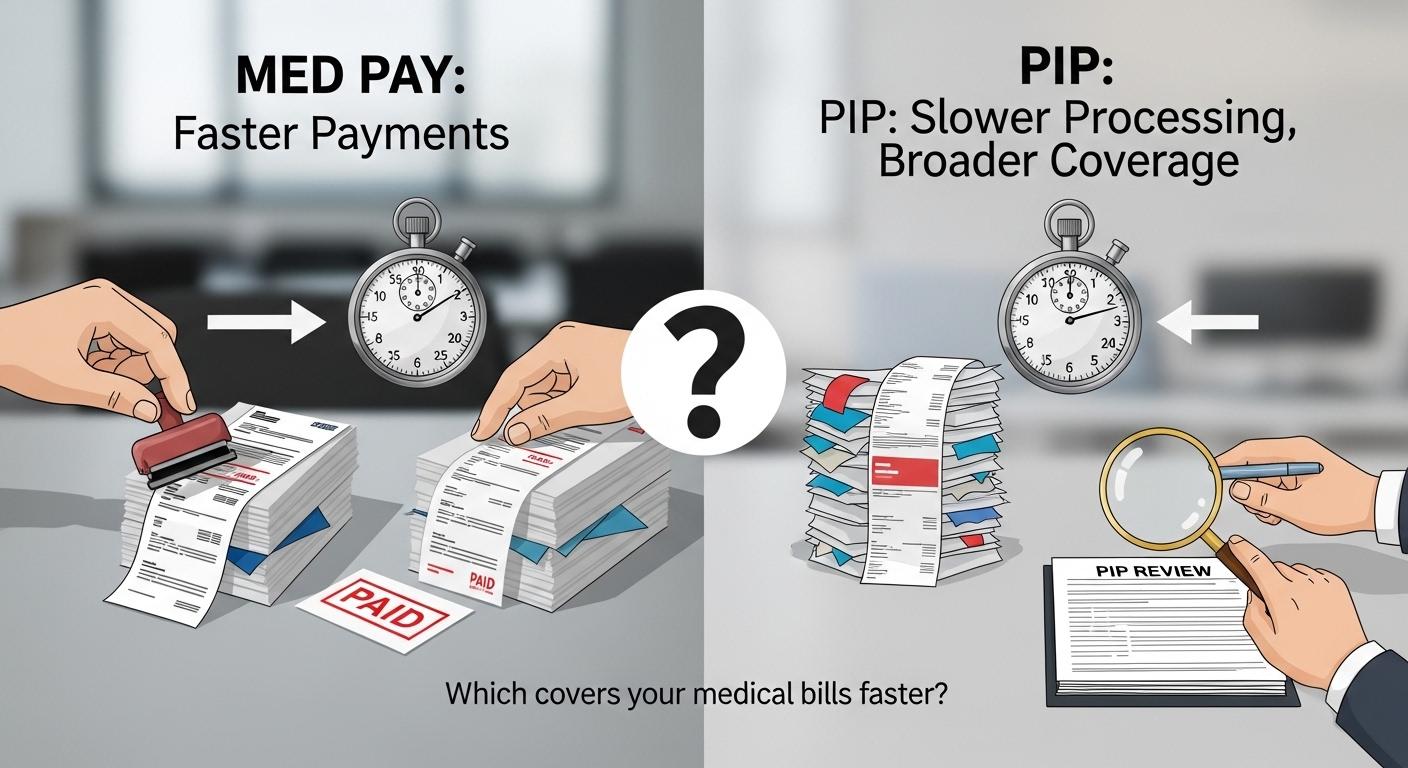
In the world of insurance claims, the battle between Med Pay and PIP rages on, with each policy offering its own set of advantages. But when it comes to getting your medical bills paid quickly, which one comes out on top? Join us as we delve into the differences between Med Pay and PIP to determine which insurance coverage can provide you with the fastest relief for your medical expenses.
Understanding the Tax Benefit Rule
When it comes to personal injury settlements, one crucial aspect to consider is the Tax Benefit Rule. This rule has a significant impact on the taxation of settlement amounts and can greatly affect the final payout received by the injured party.
Exploring the Tax Benefit Rule
The Tax Benefit Rule essentially states that any portion of a settlement that is intended to compensate for medical expenses or other losses that were previously deducted on a tax return must be reported as income in the year received. This means that if you previously claimed a tax deduction for medical expenses related to your injury, the portion of your settlement that covers those expenses will be taxable.
Impact of the Tax Benefit Rule on Personal Injury Settlements
When it comes to personal injury settlements, understanding the Tax Benefit Rule is crucial for maximizing your payout and avoiding costly mistakes. This rule can have a significant impact on the taxation of your settlement amount, potentially affecting the final sum you receive.
By delving into the intricacies of the Tax Benefit Rule, you can uncover opportunities to minimize your tax liability and secure a more favorable outcome. Let’s explore how this rule influences personal injury settlements and what steps you can take to navigate it effectively.
Strategies to Maximize Your Personal Injury Payout
When it comes to personal injury settlements, **maximizing** your payout is crucial. By employing the right strategies, you can ensure that you receive the **full compensation** you deserve for your injuries and damages.
Thorough Documentation and Evidence Collection
One of the most important strategies to maximize your personal injury payout is to **thoroughly document** your injuries, medical treatment, and other damages. Keep detailed records of all medical bills, receipts, and any other expenses related to your injury. Additionally, gather any relevant evidence such as accident reports, witness statements, and photographs that can support your claim.
By having **comprehensive documentation**, you can present a strong case to the insurance company or the court, which can help increase the likelihood of receiving a higher settlement amount.
Furthermore, it is essential to **follow your doctor’s treatment plan** and attend all scheduled appointments to show that you are taking your recovery seriously. This can demonstrate to the other party that you are committed to your health and well-being, which can also impact the amount of compensation you receive.
Overall, by **meticulously documenting** your injuries and damages and following your treatment plan, you can significantly increase your chances of maximizing your personal injury payout.
Case Studies: Applying the Tax Benefit Rule
Explore real-life examples of how the Tax Benefit Rule has influenced personal injury settlements. These case studies provide valuable insights into the complexities of taxation and how individuals can leverage this rule to their advantage.
Case Study 1: The Smith Family’s Car Accident Settlement
After the Smith family was involved in a car accident, they received a significant settlement for their injuries. By understanding the Tax Benefit Rule, they strategically structured their settlement to minimize tax implications, ultimately maximizing their financial recovery.
Case Study 2: John’s Slip and Fall Incident
John slipped and fell at a local store, leading to a personal injury claim. Through careful planning and adherence to the Tax Benefit Rule, John was able to ensure that he received the full compensation he deserved without unnecessary tax burdens.
Common Misconceptions about Taxation of Personal Injury Settlements
When it comes to personal injury settlements, there are several common misconceptions regarding the taxation of these funds. Understanding the tax implications of your settlement is crucial to avoid unexpected financial consequences.
Myth: Personal injury settlements are always tax-free
One of the most common misconceptions is that all personal injury settlements are tax-free. While certain types of damages, such as compensation for physical injuries or medical expenses, are typically tax-exempt, other types of damages, like punitive damages or interest on the settlement amount, may be subject to taxation.
Myth: You can always deduct legal fees from your settlement amount
Another misconception is that legal fees paid to your attorney can always be deducted from your settlement amount for tax purposes. In reality, the deductibility of legal fees depends on the specific circumstances of your case and the nature of the settlement. It’s essential to consult with a tax professional to determine the tax treatment of legal fees in your situation.
Myth: You don’t need to report your settlement to the IRS
Some individuals mistakenly believe that they don’t need to report their personal injury settlement to the IRS. However, failing to report your settlement can lead to serious consequences, including penalties and interest on unpaid taxes. It’s important to accurately report all income from your settlement to avoid any future tax issues.
Conclusion
As we wrap up our exploration of the tax benefit rule and its impact on personal injury settlements, it becomes evident that understanding the intricacies of taxation in this context is crucial for maximizing your payout. By leveraging the strategies outlined in this post, you can navigate the complexities of the tax benefit rule and ensure that you receive the compensation you rightfully deserve.
Remember, seeking professional advice from a tax expert or financial advisor can further enhance your understanding and help you make informed decisions regarding your personal injury settlement. Stay informed, stay empowered, and secure what is rightfully yours.