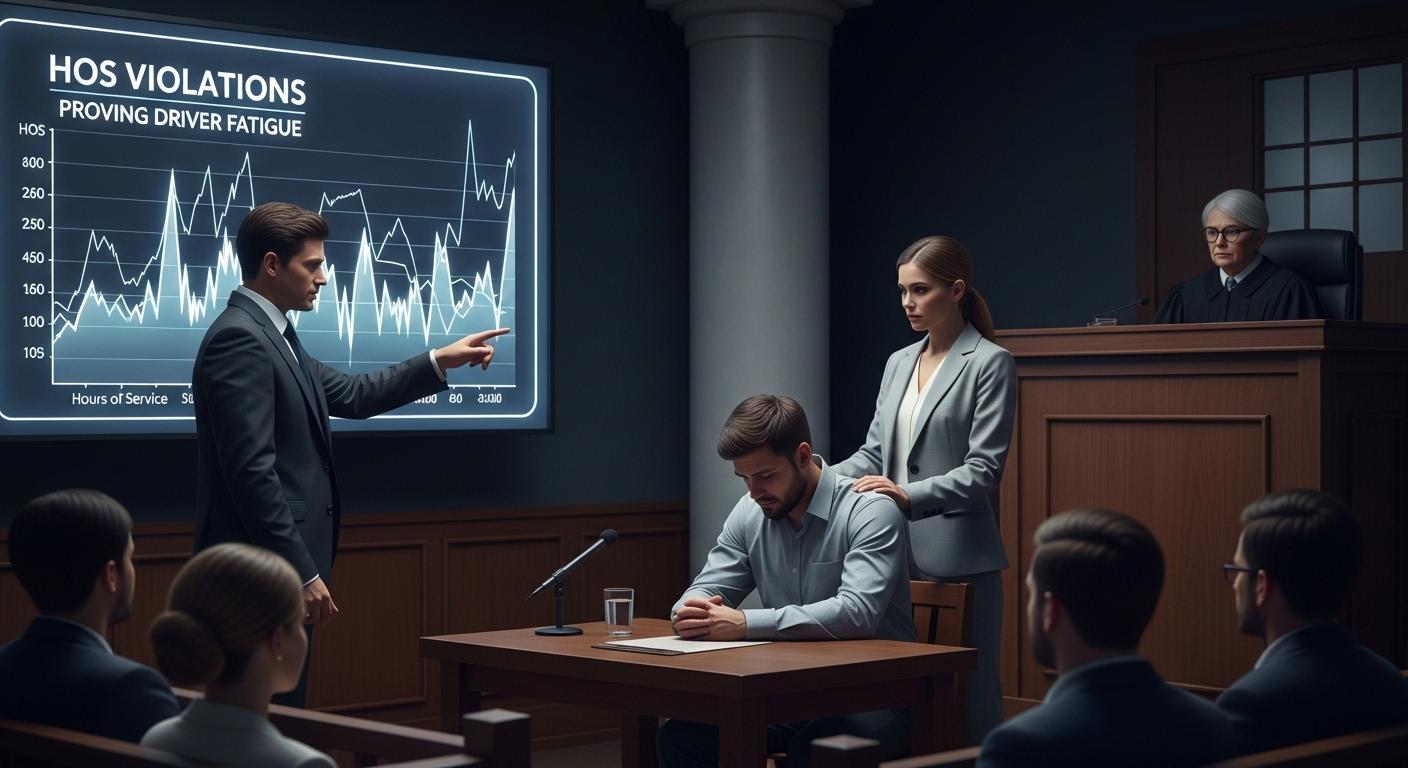
Hours of Service (HOS) violations are a critical issue in the transportation industry, as they directly impact driver safety and public well-being. Proving driver fatigue in court can be a challenging task, requiring solid evidence and expertise to establish a compelling case. In this post, we will delve into the complexities of HOS violations and explore effective strategies for demonstrating driver fatigue in legal proceedings.
Understanding Underride Collisions
Underride collisions are a serious and often fatal type of accident that occurs when a smaller vehicle collides with the rear or side of a larger vehicle, such as a truck or bus, and becomes lodged underneath. These accidents are particularly dangerous due to the significant height difference between the two vehicles, resulting in the smaller vehicle’s roof being crushed. Understanding the causes and consequences of underride collisions is crucial for preventing these tragic incidents.
When a vehicle underrides a larger truck or bus, the impact can cause catastrophic injuries or fatalities to the occupants of the smaller vehicle. The force of the collision, combined with the lack of structural protection on the top of the smaller vehicle, can lead to devastating outcomes. In order to address the issue of underride collisions effectively, it is essential to identify the root causes and implement safety measures to mitigate the risks associated with these accidents.
Causes of Underride Collisions
Underride collisions are a serious safety concern on the roads, often leading to devastating outcomes. Understanding the causes behind these accidents is crucial in preventing them from occurring. Several factors can contribute to the occurrence of underride collisions, ranging from driver behavior to road conditions.
Driver Distraction
One of the primary causes of underride collisions is driver distraction. When drivers are not fully focused on the road, they may fail to notice a slower-moving or stopped vehicle ahead, increasing the risk of an underride collision.
Poor Visibility
Poor visibility can also be a significant factor in underride collisions. Inadequate lighting, adverse weather conditions, or obstructed views can make it difficult for drivers to see other vehicles on the road, increasing the likelihood of an underride collision.
Unsafe Following Distance
Maintaining an unsafe following distance is another common cause of underride collisions. When drivers do not leave enough space between their vehicle and the one in front of them, they may not have enough time to react and stop in case of an emergency, such as a sudden stop by the leading vehicle.
Consequences of Underride Collisions
Underride collisions can have devastating consequences for those involved. When a smaller vehicle slides under a larger truck or trailer, the impact can be catastrophic. The force of the collision is concentrated on the top of the smaller vehicle, often resulting in severe damage to the roof and passenger compartment.
Due to the height difference between the two vehicles, underride collisions frequently lead to head and neck injuries, traumatic brain injuries, and fatalities. The lack of structural protection in the passenger vehicle exacerbates the severity of these injuries, making recovery a long and arduous process.
Legal Options for Victims
When victims of underride collisions find themselves facing medical bills, lost wages, and emotional trauma, it’s crucial for them to understand their legal options. Seeking justice and compensation can help alleviate some of the financial burdens and hold responsible parties accountable for their negligence.
Types of Legal Actions
Victims of underride collisions may have several legal options available to them, depending on the circumstances of the accident. Filing a personal injury lawsuit against the at-fault party or seeking compensation through insurance claims are common avenues pursued by victims to recover damages.
Seeking Compensation
After being involved in an underride collision, victims often face significant financial burdens due to medical expenses, vehicle repairs, and lost wages. Seeking compensation for these damages is crucial to help alleviate the financial strain and recover from the trauma of the accident.
Types of Compensation
Victims of underride collisions may be entitled to various types of compensation, including:
- Medical expenses: Reimbursement for all medical bills related to the accident, including hospital stays, surgeries, medications, and rehabilitation.
- Lost wages: Compensation for any income lost due to being unable to work as a result of the accident.
- Pain and suffering: Damages for the physical and emotional distress caused by the collision, such as pain, anxiety, and trauma.
- Vehicle damage: Coverage for repairs or replacement of the vehicle damaged in the accident.
- Wrongful death: In cases where the accident results in a fatality, compensation may be available to the deceased person’s family for funeral expenses, loss of financial support, and emotional suffering.
It is essential for victims to consult with a qualified attorney specializing in personal injury law to understand their legal rights and options for seeking compensation. An experienced lawyer can help navigate the complex legal process, gather evidence, negotiate with insurance companies, and advocate for fair compensation on behalf of the victim.
Conclusion
In conclusion, underride collisions are serious accidents that can have devastating consequences. Understanding the causes and consequences of these accidents is crucial for both drivers and policymakers. By exploring legal options for victims and seeking compensation, we can work towards holding responsible parties accountable and improving safety on the roads. Remember, **prevention** is key when it comes to avoiding underride collisions. Stay informed, drive cautiously, and advocate for safer road regulations to help prevent these tragic accidents.