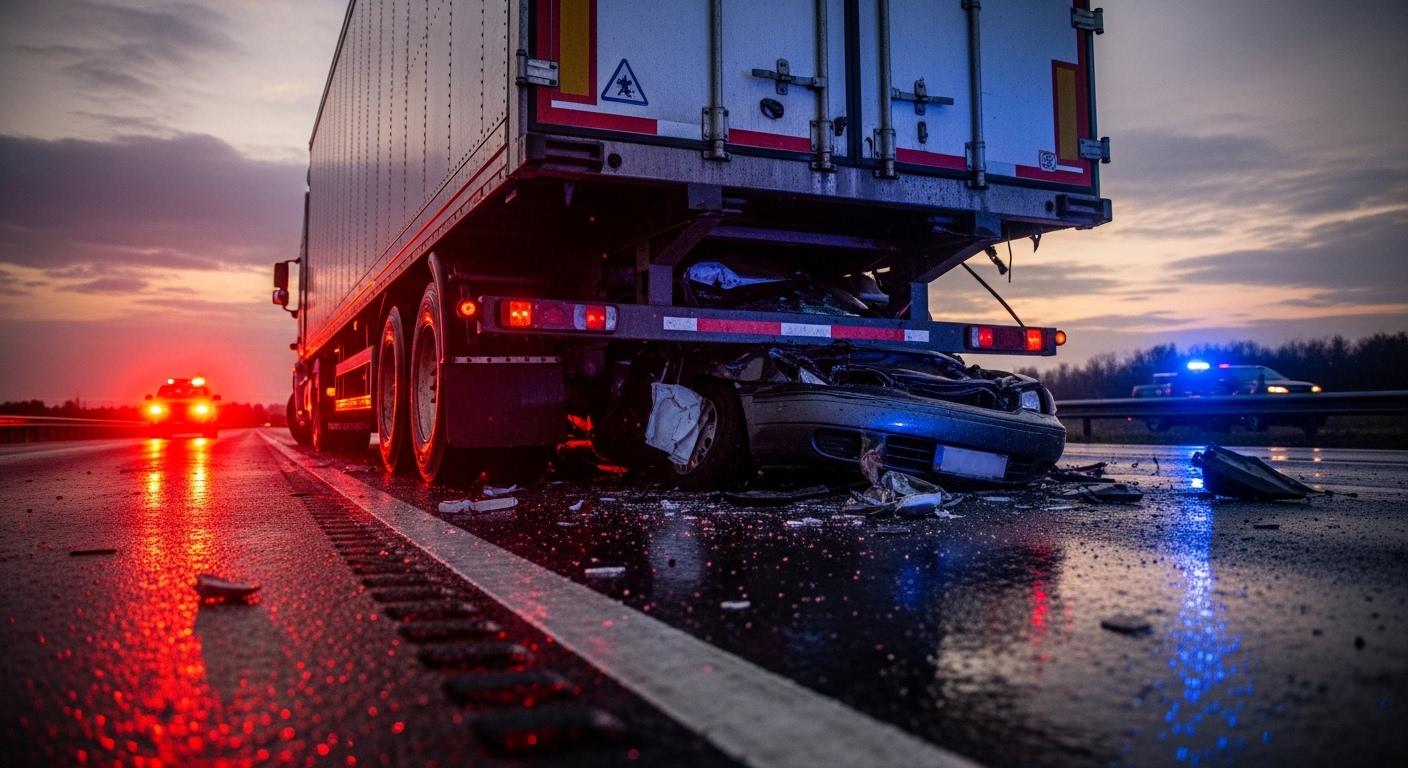
Understandably, the mere thought of being involved in a catastrophic trailer crash is enough to send shivers down anyone’s spine. The consequences of such collisions can be devastating, both physically and emotionally. However, in the midst of such turmoil, it’s important to be aware of the legal options available to you. This article delves into the world of underride collisions, exploring the legal avenues that victims can pursue in the aftermath of these tragic events.
Common Causes of Improperly Loaded Cargo
Improperly loaded cargo is a serious issue that can lead to dangerous situations on the road. Understanding the common causes of this problem is crucial for ensuring the safety of both drivers and other road users. Let’s explore some of the most frequent reasons behind improperly loaded cargo.
1. Inadequate Training
One of the primary causes of improperly loaded cargo is a lack of proper training for truck drivers and warehouse staff. Without adequate training on how to secure and distribute cargo correctly, mistakes are more likely to occur, putting everyone at risk.
Rushed Loading Processes
Another common cause of improperly loaded cargo is time pressure. When loading and unloading processes are rushed, there is a higher chance of overlooking important safety measures and making errors that could lead to cargo shifting during transit.
Insufficient Equipment
Using inadequate or faulty loading equipment can also result in improperly loaded cargo. When the right tools are not available or are not functioning correctly, securing cargo properly becomes a challenge, increasing the risk of accidents on the road.
Legal Responsibilities of Trucking Companies
Trucking companies play a critical role in ensuring the safe transportation of goods across the country. They are legally obligated to adhere to specific regulations and guidelines to prevent accidents caused by improperly loaded cargo. Failure to fulfill these responsibilities can result in severe consequences for both the company and other road users.
Regulatory Compliance
Trucking companies must comply with federal and state regulations regarding the proper loading and securing of cargo. These regulations are in place to maintain the safety of the trucking industry and prevent accidents on the road. Failure to comply with these regulations can lead to legal penalties and liabilities for the company.
Additionally, trucking companies are responsible for providing adequate training to their employees on proper loading procedures and safety protocols. This training is crucial to ensure that all cargo is secured correctly and that drivers are aware of their responsibilities when transporting goods.
Driver’s Responsibility for Cargo Loading
Ensuring that cargo is properly loaded is a crucial responsibility for truck drivers. Not only does it impact the safety of the driver and other road users, but it also plays a significant role in preventing accidents and potential legal liabilities. By following strict guidelines and adhering to best practices, drivers can minimize the risks associated with improperly loaded cargo.
Drivers must inspect the cargo before transport to confirm that it is secure and evenly distributed. Any signs of shifting or instability should be addressed immediately to prevent potential hazards on the road. Additionally, drivers should be knowledgeable about the weight limits and distribution requirements for different types of cargo to ensure compliance with regulations.
Importance of Proper Training
Proper training is essential for drivers to understand their responsibilities when it comes to cargo loading. They should be equipped with the necessary knowledge and skills to handle various types of cargo securely. Ongoing training programs can help drivers stay updated on industry standards and regulations, ultimately contributing to safer transport practices.
Consequences of Improperly Loaded Cargo
Improperly loaded cargo can have devastating consequences on the road. When cargo is not properly secured or distributed in a truck, it can lead to a variety of dangerous situations. One of the most common consequences is loss of control of the vehicle, especially when making sharp turns or sudden stops.
Moreover, improperly loaded cargo can also result in spills or leaks, posing environmental hazards and potentially causing road accidents. In addition, unbalanced cargo can lead to rollovers, putting not only the driver’s life at risk but also other road users.
Trucking companies and drivers must be aware of the serious implications of improperly loaded cargo and take necessary precautions to prevent such incidents from occurring. Failure to do so can result in costly consequences and legal liabilities that could have been easily avoided.
How to Prove Liability in Truck Accident Cases
Proving liability in truck accident cases can be a complex process that requires careful examination of various factors. From determining the cause of the accident to establishing negligence, building a strong case is crucial for seeking compensation for damages. Here are some key steps to consider:
Gather Evidence
One of the first steps in proving liability in a truck accident case is to gather as much evidence as possible. This may include photos of the accident scene, witness statements, police reports, and any available surveillance footage. The more evidence you have, the stronger your case will be.
Additionally, it’s important to obtain the driver’s logbooks, maintenance records, and any other relevant documents that can help establish liability. These documents can provide valuable insight into the condition of the truck, the driver’s behavior leading up to the accident, and the trucking company’s policies and procedures.
Furthermore, retaining the services of an experienced attorney who specializes in truck accident cases can significantly increase your chances of proving liability. An attorney can help you navigate the legal process, gather evidence, and build a strong case on your behalf.
Conclusion
As we have seen throughout this post, the proper loading of cargo in trucks is crucial for ensuring safety on the roads. Neglecting this responsibility can lead to devastating consequences, including accidents, injuries, and even loss of life. It is imperative for trucking companies to prioritize training and supervision to prevent improperly loaded cargo situations. Drivers must also take their responsibility seriously and verify that the cargo is secured and distributed correctly before hitting the road.
By understanding the common causes of improperly loaded cargo, the legal responsibilities involved, and the potential consequences of negligence, we can work towards creating a safer environment for everyone on the road. Remember, **safety** should always be the top priority when it comes to transporting goods by truck.